Heart doctor near Sarjapur Road, Bangalore
What is a Heart Attack?
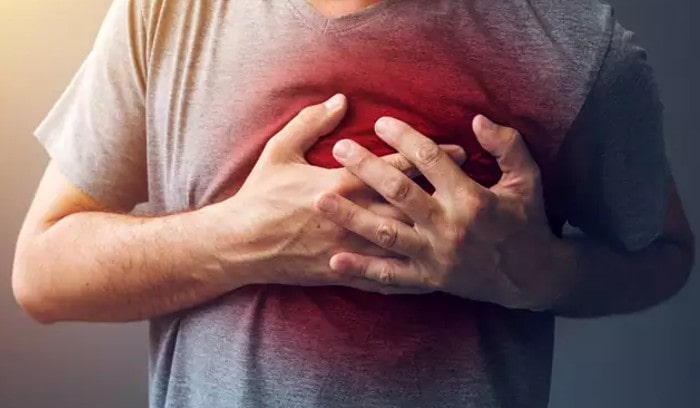
When there is a sudden blockage in the blood vessels supplying the muscles of the heart it is termed as myocardial infarction or heart attack in simple terms
So How Does a Heart Attack Happen (i.e how does the blood vessel get blocked)?
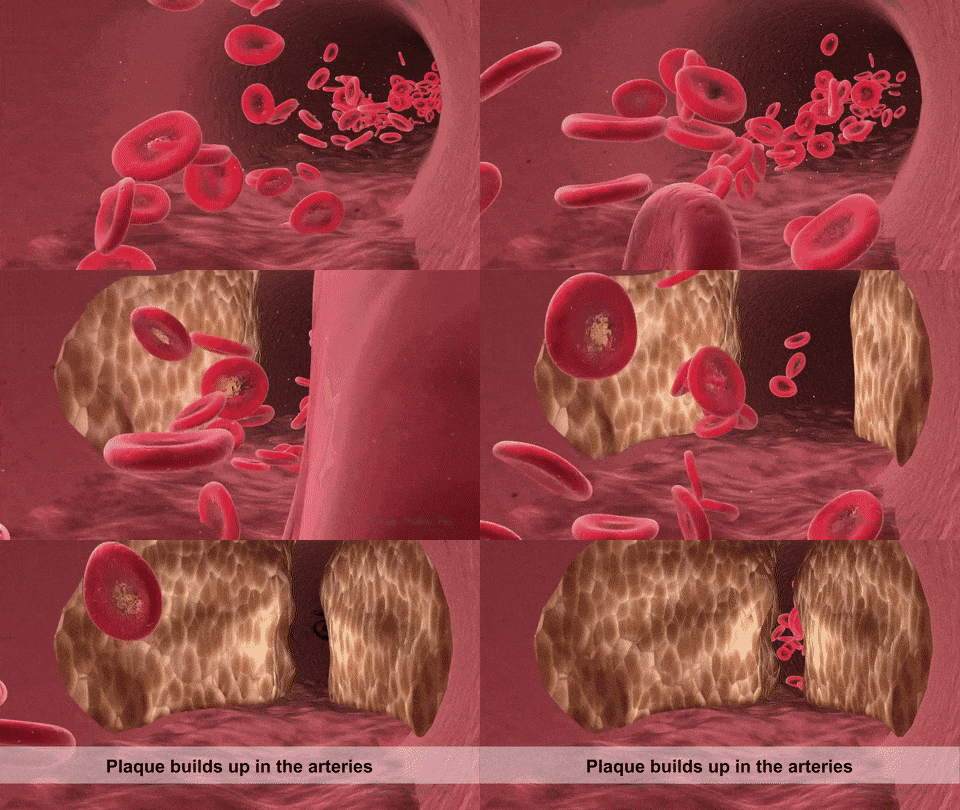
As the vessel ages, it develops bumpy mounds on the inner surface (plaque) filled with fat which is covered by a thin layer of protective fibrous cover called ‘cap’. Under various circumstances known and unknown the ‘cap’ cover is breached and the blood comes in contact with the inner material of the plaque causing clot formation which ends up clogging the entire blood vessel leading to a heart attack
How to recognize heart attack ?
The symptoms can be any or a combination of the below
- Pain on the left side of chest (precordium) over the heart
- A feeling of heaviness, or squeezing feeling in the chest
- It could be a burning sensation in the central lower area of the chest (epigastrium)
- Pain in the chest moving to the left upper limb
- Pain in the inner side of left upper limb involving the ring and little finger
- A small percentage of people experience pain in the right upper limb also
- Chocking sensation in the throat
- Nausea vomiting and sweating
- Pain in the jaw uncommonly
- Rarely manifests itself as pain between the shoulder blades or hiccup and abdominal discomfort and diarrhea
In other words a pain below the umbilicus and above the jaw can be passed off as non-cardiac
Do the elderly also complain in the same fashion?
It is noteworthy that identifying heart attack in elderly is often delayed because they do not have typical chest complaints
- It could present as sudden onset fatigue, shortness of breath, nausea vomiting or excessive sweating only
What to do in case of a suspicion of heart attack?
- To reach the nearest medical center if feasible and get an ECG and professional help
- Call the ambulance or call 112 (equivalent to US’s 911)
- Can considering the first aid medications (loading dose) for the heart at the closest medical center
- Loading dose- Inj. Heparin 5000 IU intravenous, T. Aspirin 325mg, T. clopidogrel 75 mg (4 tablets) and T. Atorvastatin 80mg,
- Be prepared for a CPR in case individual becomes unresponsive
Why is early treatment for heart attack important?
- The earlier there is re-establishment of blood flow the lesser is the permanent damage to the heart muscle. In other words the muscle function recovery will be maximum if there is as little delay as possible in opening the blocked artery
What happens if there is delay in treatment of heart attack?
- Increases mortality in the immediate attack period and even if the persons survives the episode, the heart’s pumping function is severely compromised which manifests as fatigue, shortness of breath, swelling of foot and body, disturbed sleep and increased risk of sudden cardiac arrest in the future
- Increased risk of mechanical complications in the heart like rupture of the wall, aneurysm (abnormal ballooning) of the heart or damage the valve apparatus inside the heart which further increases the mortality
How is your heart attack treated by the doctor?
If the patient is in rural setting or there is no tertiary cardiac care, one should think of thrombolysis at the earliest. Here an injection containing enzymes to digest the clot is given through the veins. The rhythm should be carefully watched and any hemodynamic instability corrected swiftly
In a tertiary care center, patient undergoes primary angioplasty. In this procedure, assess to the vessels of the heart is achieved via the artery in the wrist or the thigh. Small wire is passed across the blockage and the clot is sucked out and balloons are used to open the closed vessel. Procedure is completed most of the times by deploying a stent (cylindrical mesh) at the blockage site.
If the patient is in a state of shock with very low BP and saturations, then he is anesthetized and connected to ventilator to take over the lung functions. The weak heart is given additional support while doing the angioplasty and the subsequent 24-48 hours by placing a pulsating balloon in the major vessel(aorta) of the body. The pulsating balloon tends to reduce the pressure load on the heart and improves the circulation to the heart muscles thereby aiding in the recovery.
Sometimes even the above measures are insufficient for heart recovery. ECMO (extracorporeal membrane oxygenation) can be instituted in such cases wherein the blood is partially circulated through a machine which oxygenates and pumps it back into the body circulation providing the much needed pressure which is otherwise generated by the heart.
If all else fails the final option would be is to use a mini heart kind of device which is placed inside the chamber of the heart (LVAD- left ventricular assist device). The device does the job of the heart allowing it time to heal and the cardiologist to mend the blocked coronary arteries (primary angioplasty)
The above advanced treatment comes with high cost and procedure risk but definitely offers hope in an otherwise dismal situation to save life
Rehabilitation of the heart

Most hospitals have programs that may begin when you're in the hospital and run for several weeks or months after your return. Rehabilitation programs for cardiac patients generally concentrate on four areas: medication and lifestyle changes, emotional issues and gradual return to your routine.
It's vital to be involved in this program. Patients who undergo cardiac rehabilitation following a heart attack tend to remain healthier and less likely to suffer an additional heart attack or have complications of an attack.
Lifestyle and home solutions to home
To boost the health of your heart, follow the steps below:
- Do not smoke. The most important way to improve the health of your heart is to stop smoking. Additionally, stay away from smoking secondhand. If you're looking to stop smoking, consult your physician for advice.
- Monitor your cholesterol and blood pressure levels. If either or both of these are high, Your doctor may recommend modifications to your diet and medication. Ask your physician how often you should be having your cholesterol and blood pressure levels checked.
- Regularly check-ups with your doctor. Certain major risk factors for heart attacks like high blood cholesterol, high blood pressure and diabetes do not have their tell tale symptoms or signs until the heat attack event happens. Your doctor will test you for these issues and help you manage them.
- Exercise. Regular exercise improves the performance of the heart muscle following a heart attack. Aim for a minimum 150 minutes of moderate aerobic exercise. Do not Hesitate to get guidence on excercise from your cardiac rehabitation team.
- Keep an appropriate weight. Over weight & obesity is a strain on your heart and could cause high cholesterol, blood pressure and diabetes.
- Eat a heart-healthy diet. Trans fats, saturated fats and cholesterol in your diet could restrict the arteries that connect the heart. Additionally, excessive salt may raise blood pressure. A heart-healthy diet is based on lean proteins, like beans and fish, fruits and vegetables and whole grains.
- Manage diabetes. Exercise regularly, eat healthily and losing weight can help maintain your blood sugar at desirable levels. Many individuals also require medications to control their diabetes.
- Control stress. You can reduce stress in your daily activities. Think about your work habits and discover methods to reduce or manage stressful situations that occur in your life.
- Limit or avoid the consumption of alcohol. If you decide to drink, take it slowly. For healthy adults, one drink per day for women and two drinks per day for males.